Paint Correction in Beacon, NY
Paint correction is a machine polishing process that removes swirl marks, light scratches, oxidation, and water spots from your vehicle's clear coat — restoring true depth and gloss that washing and waxing alone can't bring back. It's also the essential prep step before ceramic coating or PPF.
★★★★★ 5.0 from 100+ Google reviews
What Is Paint Correction? (And How Is It Different From Detailing?)
Paint correction uses machine polishers and cutting or finishing compounds to physically level the clear coat, removing swirl marks, light scratches, oxidation, and water spots that sit within the clear coat itself. Auto detailing cleans, conditions, and protects a vehicle's surfaces, but it doesn't remove defects that are already in the paint — that's the job paint correction is built for.
Quick answer: Detailing cleans and protects what's already there. Paint correction actually removes surface-level defects from the clear coat to restore gloss and clarity underneath.
Correction Stages, Matched to Your Paint's Condition
1-Step Correction
A single polishing pass that removes light swirls and restores gloss on paint in generally good condition.
2-Step Correction
Compounding followed by polishing, for moderate swirls, light scratches, and oxidation.
3-Step Correction
Our most thorough process for heavily swirled, neglected, or oxidized paint, finished with a final polish for maximum clarity.
Pair paint correction with ceramic coating to lock in and protect your results — see Ceramic Coating →
What Paint Correction Can (and Can't) Fix
Corrects Well
Swirl marks & light scratches
Water spots
Light oxidation & dullness
Buffer trails from prior poor detailing
Won't Fully Remove
Deep scratches through the clear coat
Dents or body damage
Rock chips (consider PPF for prevention)
Scratches into bare metal or primer
Our Correction Process
1 · Free Estimate & Inspection
We inspect your paint's condition under proper lighting to recommend the right stage.
2 · Test Spot
A small test area confirms the compound and pad combination before working the full vehicle.
3 · Correction & Final Inspection
Machine polishing is performed panel by panel, then reviewed under direct light before pickup.
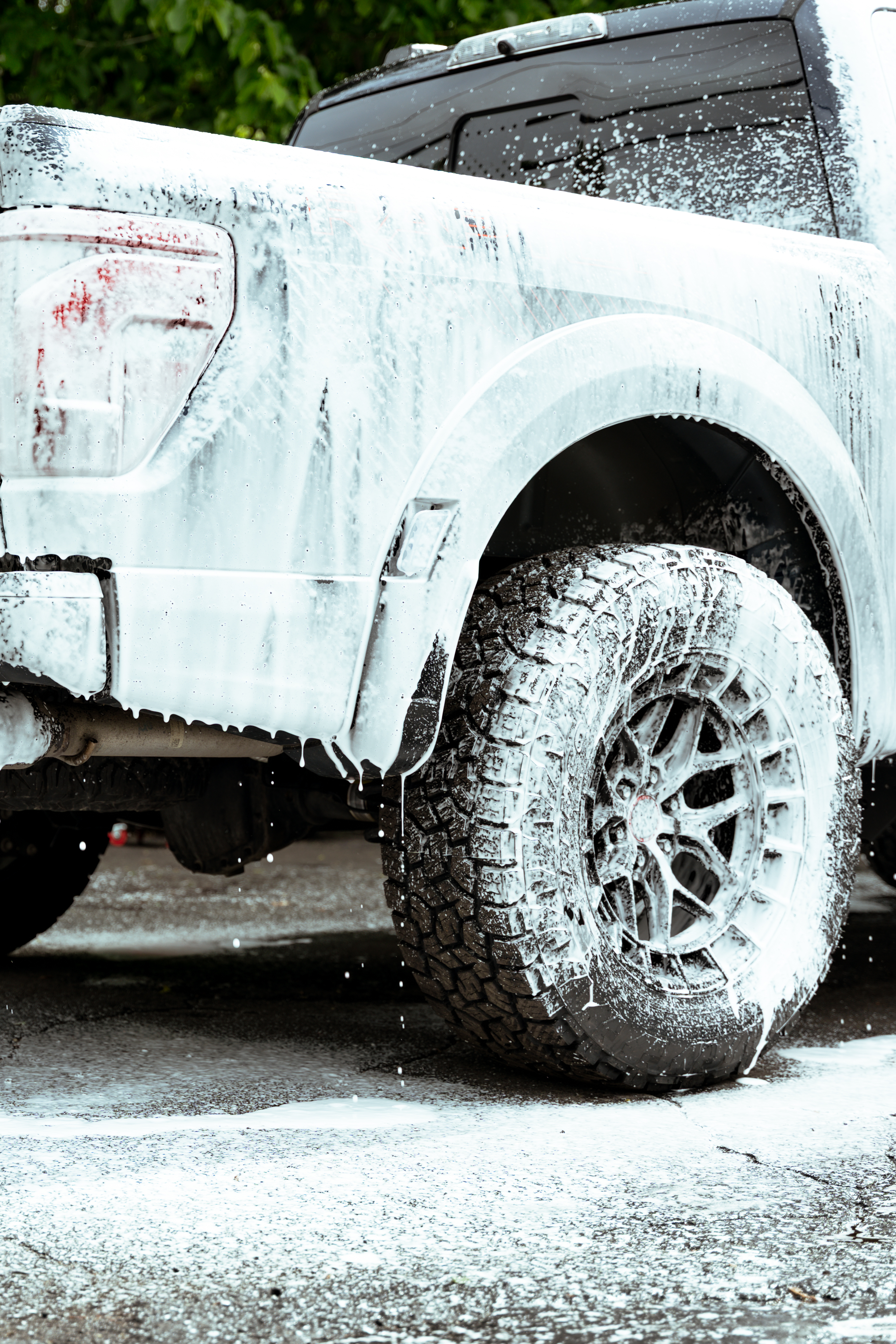
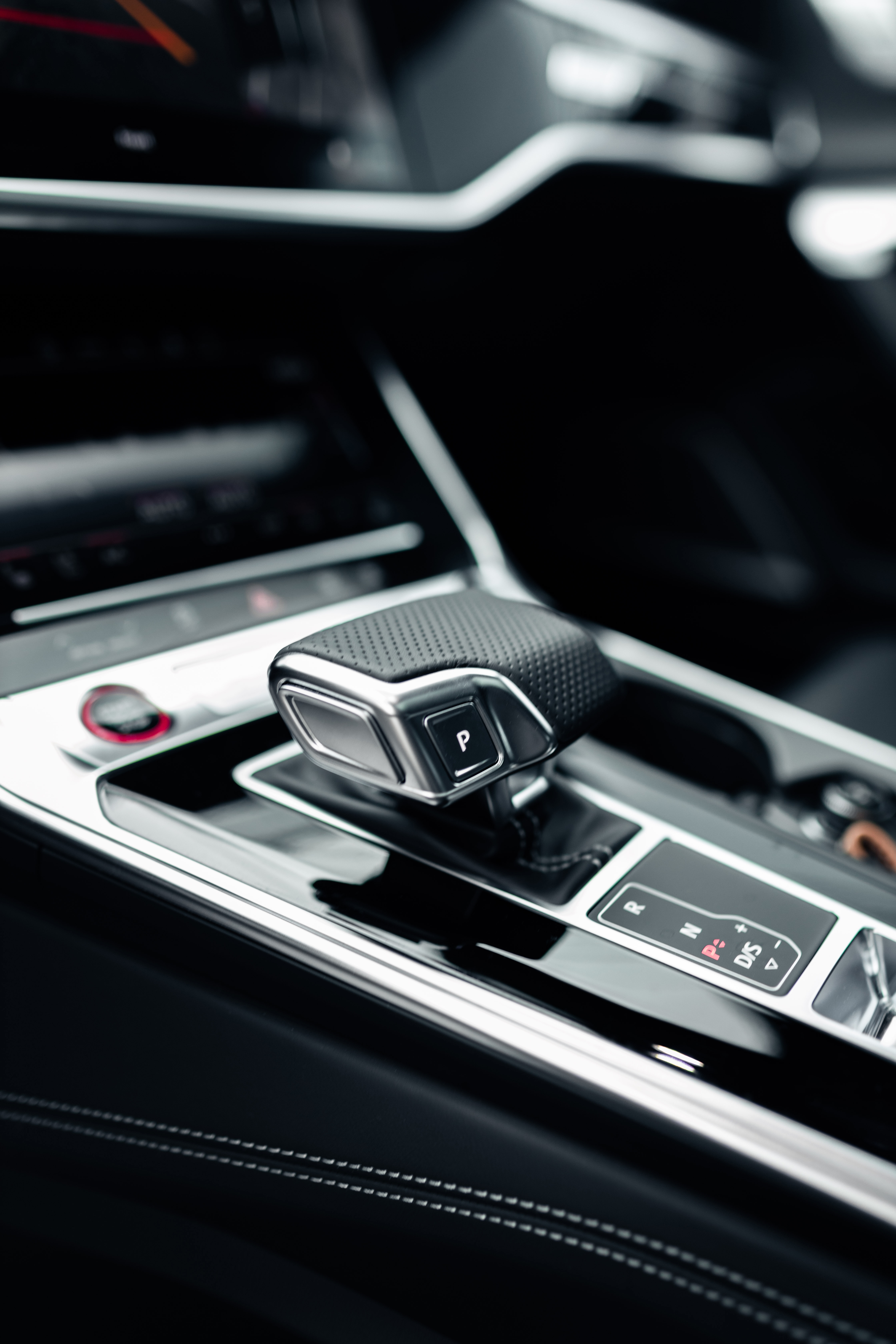
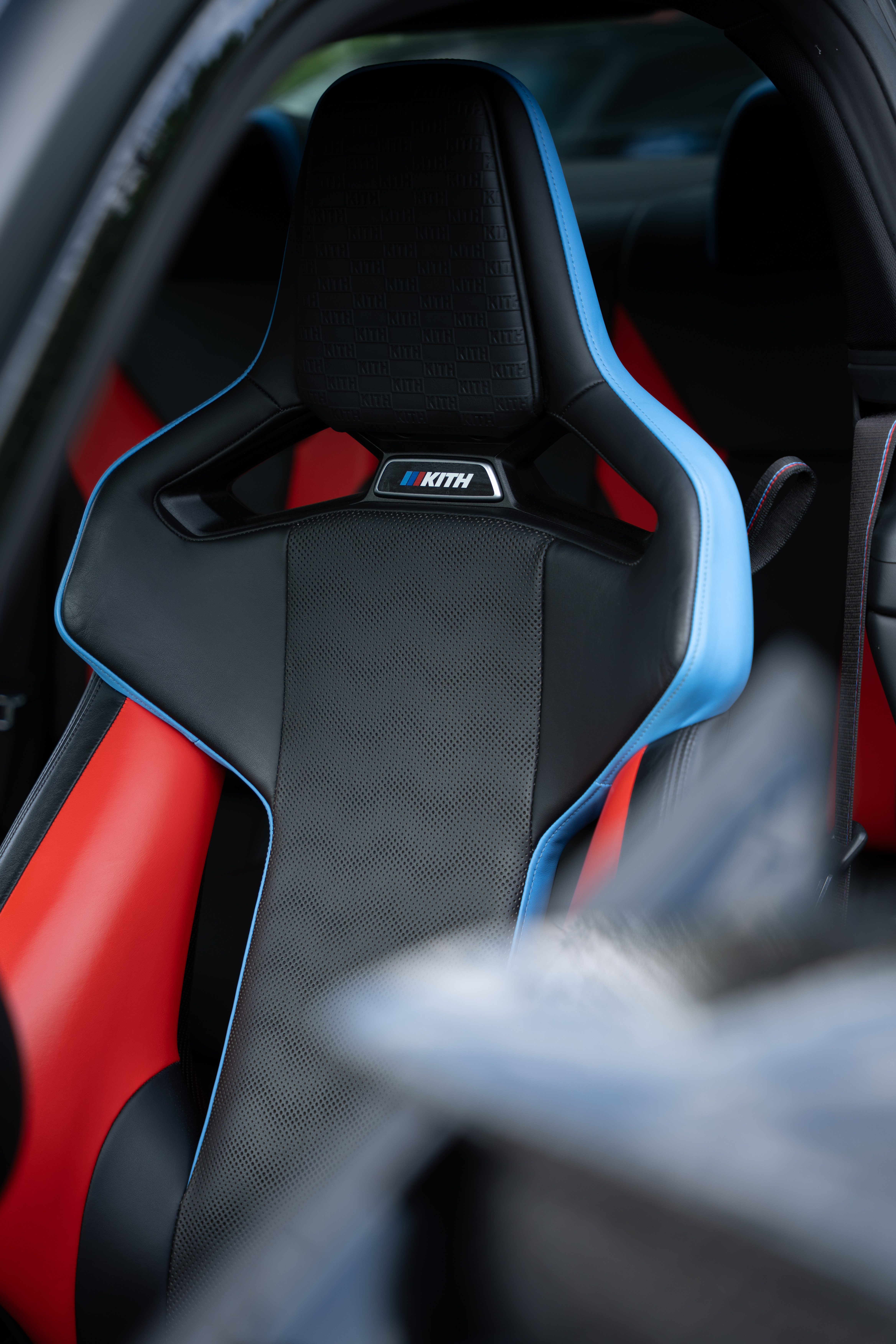
Real Results, Real Vehicles
Serving Beacon, NY & the Hudson Valley
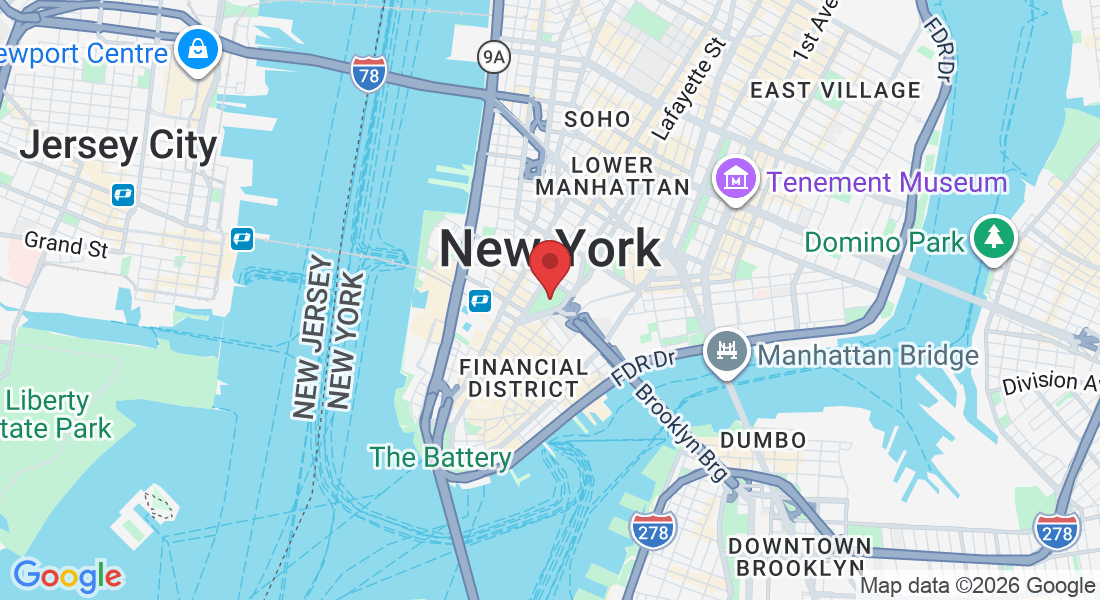
Locally owned and operated at 158 Fishkill Ave, Beacon, NY 12508, we provide professional paint correction for vehicle owners throughout Beacon, Cold Spring, Fishkill, Wappingers Falls, Poughkeepsie, New Paltz, and the surrounding Hudson Valley.
What Our Customers Say
Paint Correction FAQs
How much does paint correction cost?
Cost depends on the correction stage needed — 1, 2, or 3-step — which we determine after inspecting your paint's condition in person. We provide a free estimate before any work begins.
Will paint correction remove deep scratches?
Paint correction can significantly reduce the appearance of light to moderate scratches within the clear coat, but scratches that reach bare metal or primer typically require touch-up paint or bodywork rather than polishing alone.
How long does paint correction take?
Most vehicles take anywhere from a few hours for a 1-step correction to a full day or more for a 3-step correction on heavily oxidized or neglected paint.
Do I need paint correction before ceramic coating or PPF?
Yes, in most cases. Both ceramic coating and paint protection film lock in the condition of your paint as it is, so correcting swirls, scratches, or oxidation beforehand gives the best long-term appearance.
Is paint correction safe for all vehicles?
Most factory clear coats can safely undergo correction, but very thin or previously over-polished clear coats need a careful, more conservative approach. We assess clear coat condition before recommending a correction stage.
Ready to See Your Paint's True Gloss?
Request a free, no-obligation estimate today. We'll inspect your paint in person and recommend
the right correction stage — no guesswork, no overselling.
158 Fishkill Ave, Beacon, NY 12508
Contact
(845) 456-9538
158 Fishkill Ave
Beacon, NY 12508
United States


Copyright 2026. Double D's Auto Works LLC. All Rights Reserved.